Cereal Box Magazine File Covered in Fabric
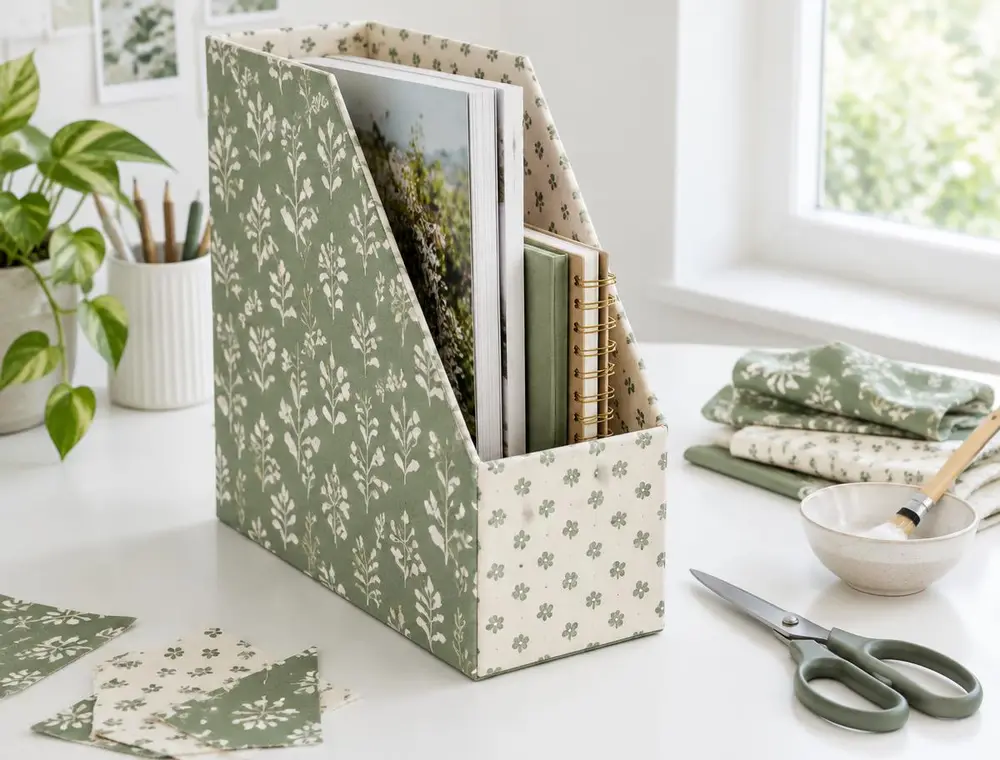
Cut an empty cereal box into a magazine file and cover it with fabric scraps for a sturdy shelf organiser that matches your room.
- Difficulty
- Easy
- Time
- 1.5 hours
- Published
Introduction
Cereal boxes are surprisingly strong and almost exactly the right size for a magazine file. Covered in fabric, they look smart enough to sit on an open shelf.
This is a quick weekend project and a good way to use small pieces of leftover fabric from other projects.
Materials Required
- 1 large empty cereal box
- Fabric pieces: about 50 × 50 cm for the outside and a contrasting piece for the inside
- PVA glue mixed 2:1 with water, or a decoupage glue
- A wide flat brush
- A ruler, pencil and craft knife or scissors
- Strong tape
- Fabric scissors
Step-by-Step Instructions
Step 1: Mark the angled cut
Stand the box upright. On one narrow side, mark a point 10 cm up from the bottom. Draw diagonal lines on both wide sides from that point to the top corner of the opposite edge. Join the lines across the back.
Step 2: Cut the shape
Cut along the lines with scissors or a craft knife. Seal the bottom flaps with tape if the box has been opened from below, so the file is strong.
Step 3: Cut the fabric
Wrap the outer fabric around the box to measure it, adding 2 cm extra on every edge for folding over. Cut a separate rectangle for the base.
Step 4: Glue the outer fabric
Brush glue onto one side of the box, press the fabric down and smooth it from the centre outwards. Work one side at a time. Fold the extra fabric over the top edges into the inside and glue it down.
Step 5: Line the inside
Cut panels of the contrasting fabric to fit each inside wall, slightly smaller than the walls. Glue them in so they cover the folded-over edges. This gives a neat finish.
Step 6: Seal and dry
Brush a thin coat of the glue mixture over the outside fabric to stiffen it and protect it from dust. Let the file dry overnight before using it.
Helpful Tips
- Cotton fabric works best; very stretchy or slippery fabrics are hard to keep straight.
- Iron the fabric before starting to avoid creases being glued in.
- Make several files from the same box size so they line up neatly on a shelf.
Safety Instructions
- Use a cutting mat and keep fingers behind the blade when using a craft knife.
Frequently Asked Questions
Can I use wrapping paper instead of fabric?
Yes, but paper tears more easily. Seal it with a couple of coats of decoupage glue for extra strength.
How strong is a cardboard magazine file?
Strong enough for magazines, papers and light notebooks. Taping the base well makes the biggest difference.
Will the fabric go wrinkly with glue?
Thinned PVA can cause small ripples if too much is used. Apply thin coats and smooth firmly with your hand.
Conclusion
This little organiser proves that packaging can be both useful and good-looking. Once you have the method down, try larger boxes for files and folders or smaller ones for letters and envelopes.
Related articles
More recycling projects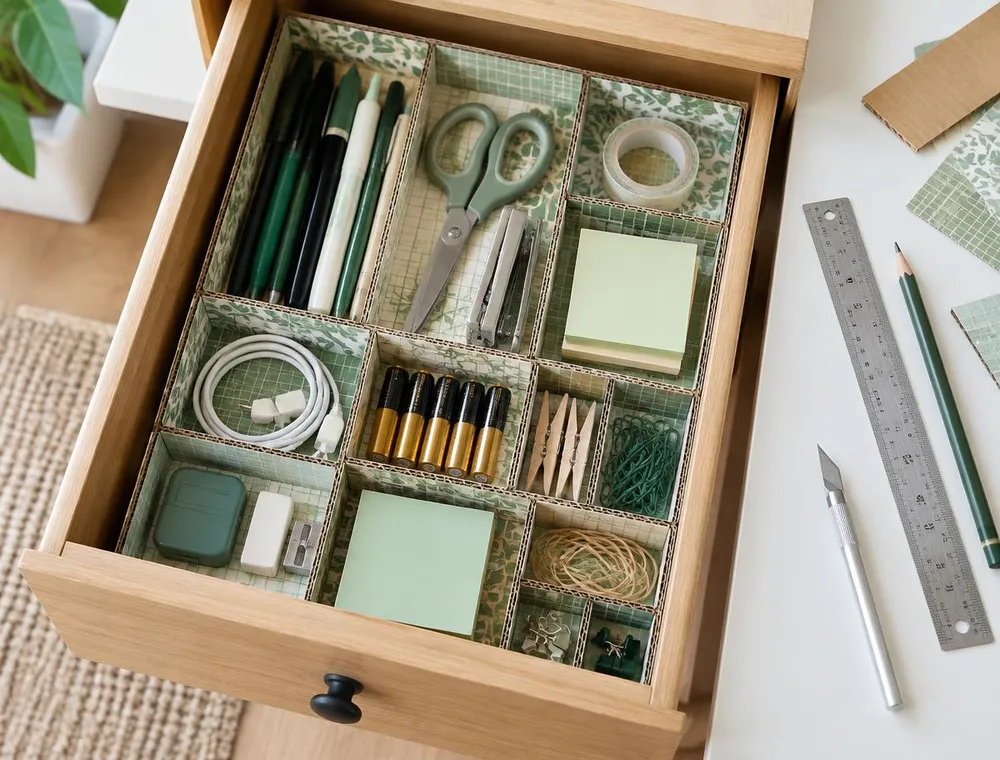
How to Make Drawer Organizers from Cardboard Boxes
Measure your drawer, cut strips from old delivery boxes and slot them together into a custom grid of compartments. Covered in paper, it looks neat and fits exactly.
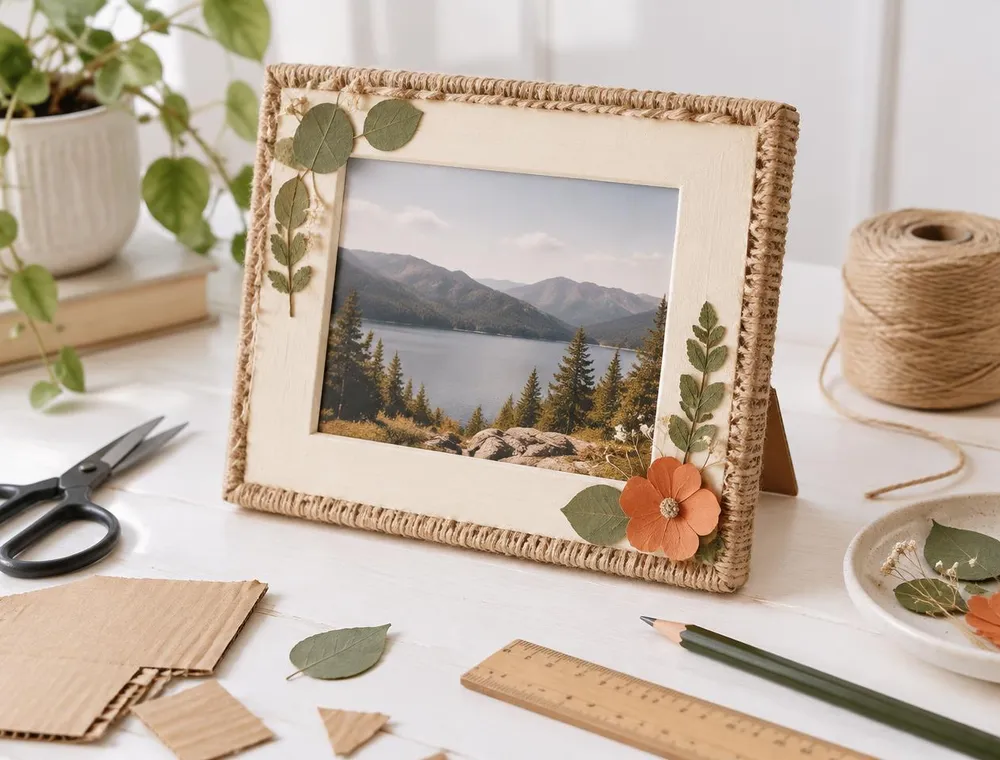
How to Make a Beautiful DIY Photo Frame Using Cardboard at Home
Turn an old delivery box into a sturdy, cream-painted photo frame with jute twine edges, pressed leaves and a slide-in pocket for your favourite 4 × 6 inch print.
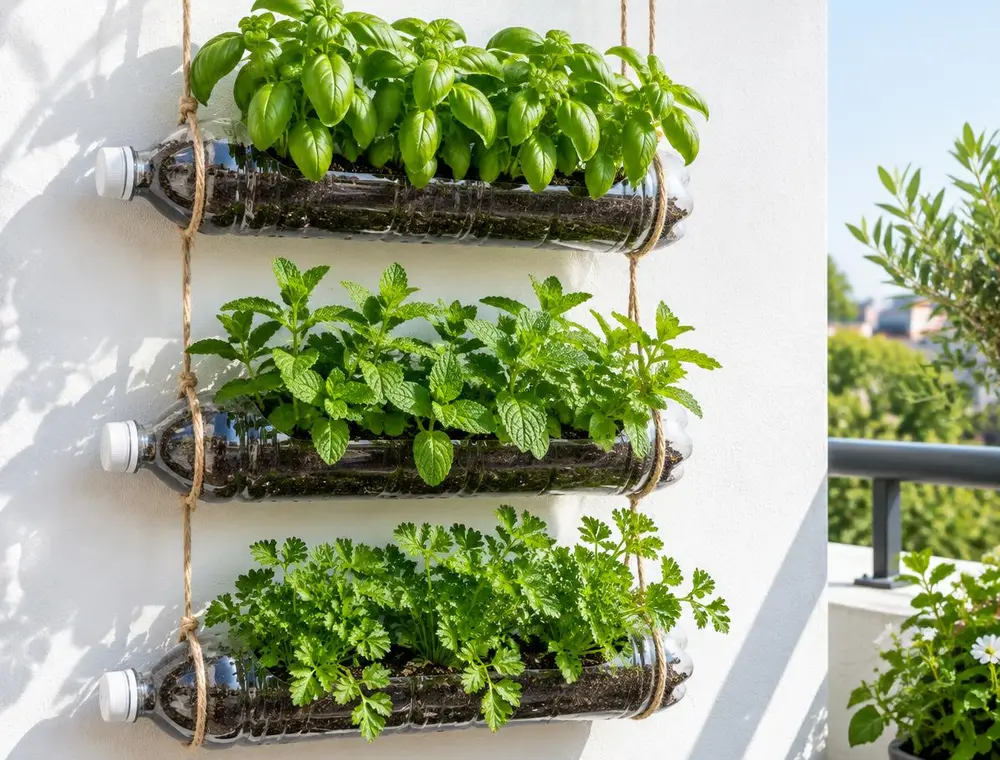
Plastic Bottle Vertical Herb Garden for a Balcony
Cut large plastic bottles into planters, hang them with rope and grow basil, mint and parsley in very little space.